VLX
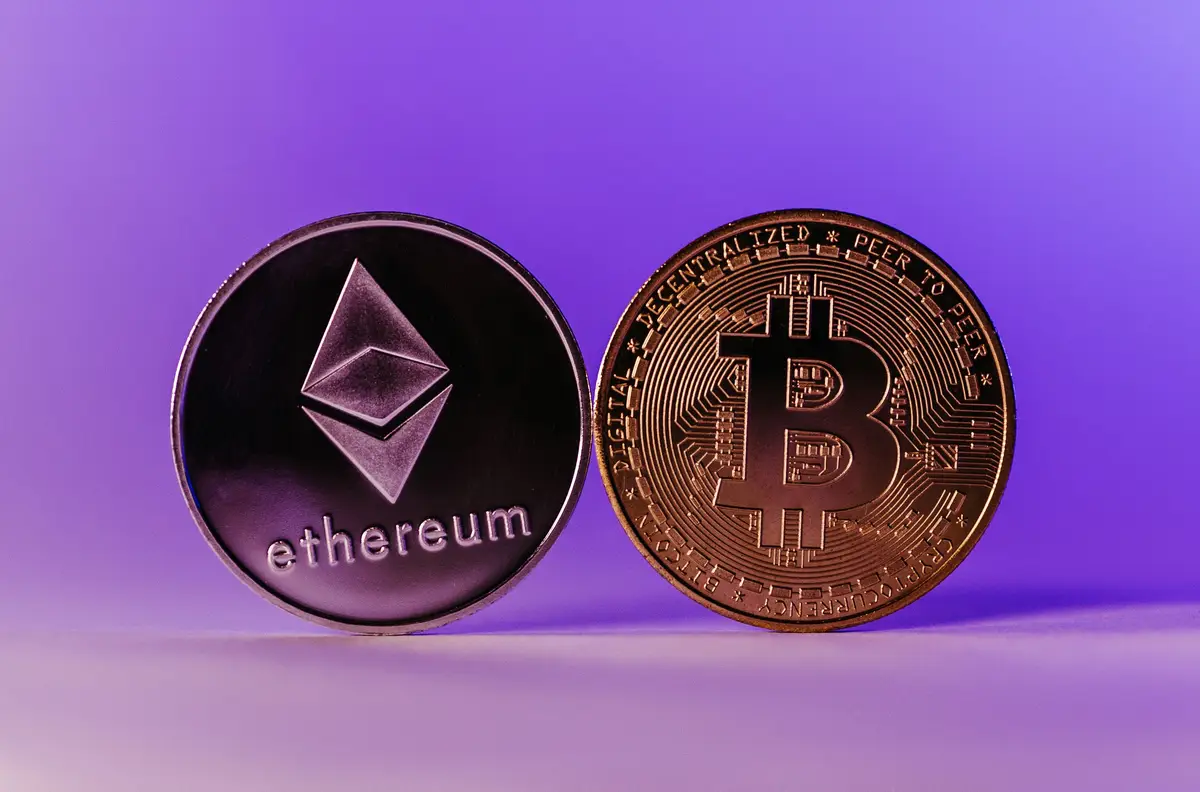
If your priority is lower fees than Ethereum while using EVM tools, several chains compete. Here is how Velas fits.
| Ethereum | Largest ecosystem and security budget, higher fees at busy times. |
|---|---|
| BNB Chain | Large user base and low fees, more centralised validator set. |
| Velas | Fast, EVM compatible, much smaller ecosystem and liquidity. |
Fees and speed
Velas aims for low fees and quick confirmation. Real figures vary, so see the live explorer and fees and speed.
Decentralisation and security
Ethereum has the largest validator set. Smaller networks have lower security budgets, meaning an attack is cheaper in principle. Check the validator distribution on validators.
Liquidity
This is the most practical difference. On big chains you can trade large sizes with little slippage. On Velas you often cannot.
Conclusion
Velas is a niche choice. Weigh features against ecosystem depth, then read the risk guide.
What the three networks have in common
Ethereum, BNB Smart Chain and the EVM side of Velas all execute the same kind of bytecode, which means a Solidity contract written for one can in principle be deployed on another, and a wallet such as MetaMask can connect to all three by changing the network. This shared base is why developers often launch on several chains at once. It also means the choice between them is rarely about what the code can do and more about who is on the network: how many users, how much liquidity, which tools and which security assumptions. Those are exactly the areas in which the three differ most.
Security model and decentralisation
Ethereum secures its network with a very large set of independent validators and a large amount of staked value, which makes attacks expensive and has built a long record. BNB Smart Chain uses a much smaller validator set, a design that favours speed and low cost but places more trust in a small group. Velas uses delegated proof of stake with its own validator set; the current number of validators and the share of stake held by the largest ones can be checked on the explorer and on the official site. We cannot give a verdict on how the three compare in resilience; what we can say is that fewer validators and smaller staked value generally mean a lower cost of attack, and that concentration matters more than raw numbers.
Fees in practice
Ethereum fees rise sharply when the network is busy, since users bid for limited block space, and they have been lower in quieter periods and on layer-two networks. BNB Chain fees are typically small. Velas also aims at low fees. We do not quote numbers because they change constantly; the sensible method is to compare the fee of the same action, for example a token transfer, on each chain at the same time, using the respective explorers. The fees and speed page shows how.
Tools and ecosystem
| Wallets | All three work with standard EVM wallets; Velas also has its own wallet. |
|---|---|
| Developer tools | Hardhat, Remix and similar tools work on all, but oracles, indexers and block explorers are far more complete on Ethereum and BNB Chain. |
| Stablecoins and DeFi | Deepest on Ethereum, large on BNB Chain, limited on Velas. |
| Exchange support | Near universal for ETH and BNB; narrower for VLX. |
Which one for which use?
If you want maximum security and the broadest set of applications, Ethereum remains the default, accepting higher fees at busy times. If you want low fees and many users with a more centralised setup, BNB Chain is a practical option. If you are interested in Velas specifically, for staking, for its wallet or for experimenting with an EVM on a Solana-derived chain, it is a niche choice where you should expect thin liquidity. None of these is the right answer for everyone, and moving between them involves bridges, each with its own risk. See DEXs and bridges before moving funds. To add the Velas network to a wallet, read the EVM compatibility guide.
Questions worth asking before you choose
A side-by-side table can hide the questions that really decide whether a network works for you. Start with where the assets you care about already live. A chain can be cheap and fast, but if the tokens, stable assets and apps you use are elsewhere, you will pay in bridge steps and risk to reach it. Liquidity is not just a number; it determines how much price movement your trade causes.
Next, ask what you are protecting. A large long-term holding may justify paying more for a network with a longer record and a broader validator set, while a small experiment may not. Security is not only about consensus; it also includes how mature the wallets, audits and monitoring tools around a network are.
Finally, consider operational costs. Lower fees matter most when you transact often, but for an occasional transfer the difference is small compared with the cost of a mistake. Wrong-network sends, unverified contracts and unlimited approvals cost far more than any gas saving. We do not claim that any of the three is best; the right pick depends on your use, your tolerance for risk and what you can verify yourself.
Frequently asked questions
Is Velas cheaper than Ethereum?
Typically yes in fees, but with much less liquidity and fewer apps.